


“More cowbell!” That phrase, first uttered by Christopher Walken on “Saturday Night Live” over 20 years ago, has become the millennials’ “Freebird!” But don’t get me wrong – I come to praise the cowbell, not to bury it.
Ah, the humble cowbell. From its origins, i.e. hanging around bovine necks to assist ranchers in locating wandering members of the herd, it has come into its own as a musical catalyst, that “secret weapon” that can make a good song a great one. I will list ten examples, ranked in order of percussive importance.

But hasn’t this sort of thing been done before? Yes, it certainly has. But I view this type of ranking as a litmus test of musical taste. Kind of like the Proust Questionnaire posed to celebrities each month in Vanity Fair. The same questions are asked (e.g. “What is your idea of perfect happiness?”) each time, but the answers say oh so much. It is also similar to the list of questions (again, the same ones each time) earnestly asked of celebrity guests on “Inside The Actors Studio” by host James Lipton (e.g. “What is your favorite curse word?”). Also most revealing.
So here’s the deal. In order to qualify for the list, the cowbell must be prominent in the mix, not just another in a gaggle of percussion instruments, and crucial to the song’s appeal. What’s not on this list? I’ll tell you what’s not on this list. “Don’t Fear the Reaper.” You heard me. It’s just not a great song. And it has become a cliché, through no fault of its own.
So here we go!
10. “Time Has Come Today” – During the ‘60s and ‘70s, the “single version” of a song you heard on the radio was sometimes more of a truncated sample of the “album cut.” Such was the case with this tune, which clocked in at 11:04 on the album, trimmed to under five minutes (still pretty long at the time) for the radio and 45s. In this instance, the cowbell functions as the ticking of a clock, a call to arms for young Americans of the day. And why is this song so trippy? It seems that Joe Chambers sat in on a UCLA class taught by Timothy Leary, then dropped some acid, and the rest is psychedelic musical history.

9. “Oh Well – Parts 1 and 2” – Fleetwood Mac. You know what’s missing in a lot of tunes these days? Dynamics. This record, in its initial section, alternates between a cappella vocals and wild-ass guitar rave ups worthy of the Yardbirds, with the cowbell calling us to attention every time vocalist / guitarist Peter Green steps up to the mic. And if that weren’t enough, the song seamlessly shifts into the instrumental Part 2, which is an evocative, melancholy musical statement. Fleetwood Mac sold a lot more records once Lindsey Buckingham and Stevie Nicks joined up, but it’s hard to beat this one for quality and imagination.
8. “Low Rider” – War. My Houston Press colleague Bob Ruggiero (author of the definitive War biography, Slippin’ into Darkness) is better qualified to comment on this song, but I will, as they say, give it a go. It is intriguing that a band comprised primarily of Black musicians created the anthem for the (primarily) Latino lowrider culture. Like many songs on the list, the distinctive cowbell lick is the first thing you hear, and it pulls you right in. I can name that tune in one cowbell.
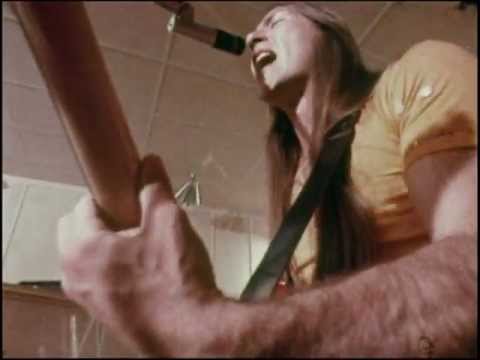
7. “We’re an American Band” – Grand Funk. Another tune that kicks off with a drum pattern featuring the whack of a cowbell and just doesn’t quit. The lyrics (by drummer Don Brewer, who sings lead on this song) are outstanding, name-checking groupie Connie Hamzy (“Sweet, Sweet Connie,” who was doing her act) and the Texas Cannonball himself, guitarist Freddie King (“poker’s his thing”). And did we mention Mark Farner’s guitar solo?
6. “All Right Now” – Free. What a bunch of talent packed into one band. Vocalist Paul Rodgers (later in Bad Company, maybe the best voice in rock and roll?), doomed-to-leave-us too-soon guitarist Paul Kossoff cranking out one of the best riffs ever, with drummer Simon Kirke (also later in Bad Company) on drums and, of course, cowbell. I don’t know who controls the rights to the song these days, but whoever it is, they don’t seem to have a problem licensing it for television commercials. Still, I want to turn this one up every time I hear it, even if it is selling tires, office supplies or some other consumable. That’s how good it is.

5. “Black Cloud” – Trapeze. This band should have broken big, but vocalist / bassist Glenn Hughes was lured away by Deep Purple when their lead vocalist Ian Gillan announced that he was departing. The song uses the Zeppelinesque “light and shade” format, laying back on the verses and hitting it hard on the choruses, when the cowbell is front and center.
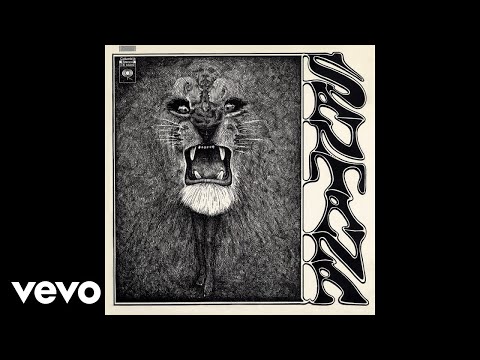
4. “Evil Ways” – Santana. Got to give credit to the band that brought Latin percussion into rock and roll in a big way. The story is that, when the band wanted to audition for concert promoter Bill Graham, the only thing that got them in the door was their timbales. Turns out that Graham grew up in New York, dancing to Tito Puente.

3. “Mississippi Queen” – Mountain. This is how a cowbell should function within an arrangement, providing musical punctuation. It establishes the pulse, then steps aside, then slides back in, returning to close out the song. Leslie West’s vocals and crunching guitar riff pull everything together, forming a walloping musical whole. Would it be the same song without the cowbell? Oh, hell no!
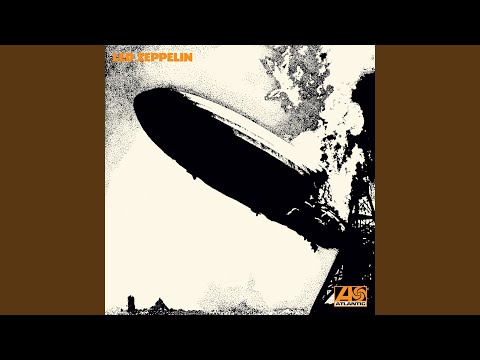
2. “Good Times Bad Times” – Led Zeppelin. Did John Bonham buy a new cowbell with the band’s advance from Atlantic Records prior to recording its first album? If so, glad that he did. What an intro!
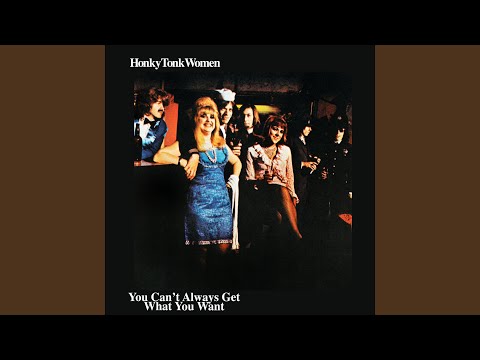
1. “Honky Tonk Women” – The Rolling Stones. What else could be at numero uno? An unaccompanied cowbell (played by producer Jimmy Miller) announces what is maybe the greatest Stones song ever, and then it’s off to the races. You’ve got one of Mick Jagger’s sauciest vocal performances, Keith Richards’ dirty open-G chording, plus tasty guitar licks from 20-year-old Mick Taylor, who had just joined the band. It all combines to create a masterpiece. As Jagger says at the end of the tune, “Wooh!”
Honorable Mentions (because 10 is really not enough):
‘Hair of the Dog” – Nazareth. Credit must be given for the fact that, in addition to a rocking cowbell part and vocal interplay surrounding the phrase “Now you’re messin’ with a son of a bitch,” this song includes a nasty talk box solo during the instrumental bridge.
“Fat Man in the Bathtub” – Little Feat. As I recall, Lowell George even had a special stand for his cowbell when they played this one live.
“The Rapper” – The Jaggerz. Led by rock and roll warrior Donnie Iris (“Ah, Leah”), the Jaggerz hit the big time (albeit briefly) with a catchy song that featured a cowbell and a fuzzed-out riff that induces some serious head bobbing. Pretty cool band name too.
“Do Ya” – The Move. I have a serious aversion (I’m talking some major nervous twitching here) to any musical endeavor that Jeff Lynne (ELO) may be involved in. Such is the case with “Do Ya.” Even though I know Lynn was lurking around the studio, when the chorus slams back in after a groovy psychedelic bridge, with gloriously distorted guitars and a cowbell urging them on, well…OK, Jeff, fine, you’re on the list!
This article appears in Jan 1 – Dec 31, 2023.

