


Onstage and in the studio, their fraternal harmonies blended with a clarity and cohesiveness in song that stands apart from any other vocal duo.
Their slew of late ‘50s/early ‘60s hits ranged from jaunty early rock ‘n’ roll (“Bye Bye Love,” “Wake Up Little Susie,” “Bird Dog,” “(‘Til) I Kissed You”) to heartbreaking balladry (“All I Have to Do is Dream,” “When Will I Be Loved,” “Let It Be Me”) to character-driven tales (“Cathy’s Clown,” “Ebony Eyes,” “Walk Right Back”).
But, as everything written about the Everly Brothers since the 1973 incident in which they initially broke up on stage during a performance (with one brother smashing his guitar for before storming off), there was disharmony in their relationship despite their sonic bond.
The story of Don and Phil Everly and their music is told in Crying in the Rain: The Perfect Harmony and Imperfect Lives of the Everly Brothers by Mark Ribowsky (256 pp., $32.95, Backbeat Books). A longtime music journalist, Ribowsky has also written books on Phil Spector, the Temptations, the Supremes, Stevie Wonder, Lynyrd Skynyrd and James Taylor.
The pair had performed together since childhood, often with their parents Ike and Margaret, who had a country duo act of their own (the itinerant Ike also worked as a coal miner and barber).
But their desire to move into the then-nascent rock and roll sounds, along with their matinee idol good looks, meant the family act would dissipate.
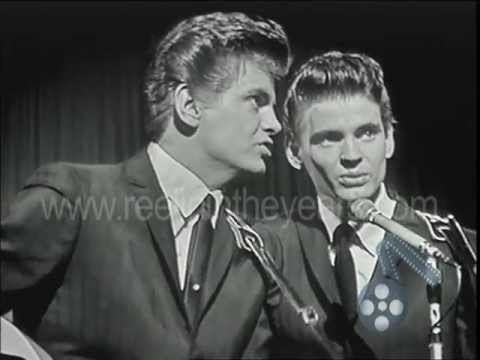
As the had their slew of hits, the Everly Brothers seemed to be on every TV show imaginable (Ed Sullivan was particularly taken with them) and on those barnstorming package tours, learned more about the business from fellow performers. They’d grow particularly close to Buddy Holly.
By the mid-‘60s, the hits had dried up as musical tastes and popular interest had moved on. Ribowsky writes that Don summed it up on two sentences: “We went into the Marines. I had some personal problems around ’62, then I woke up and the Beatles were here.”
Those personal problems for Don included addictions to pills (most noticeably Ritalin) and drug experimentation, an indifference to his wives and children, buoyed by a carousel of girlfriends and mistresses. And a temper. Ribowsky notes that Don had a “midlife crisis at age 25.”
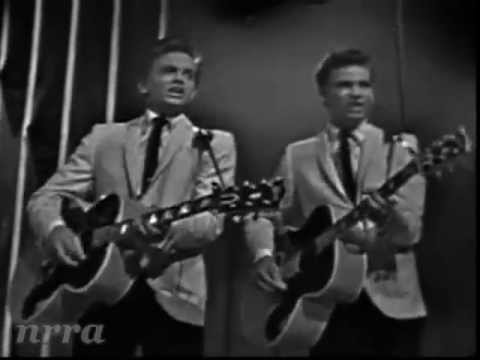
He also mentions that while Phil was certainly no angel, he seemed so in comparison. The also had political rifts with the liberal Don and conservative Phil often clashing on issues greater than music.
The pair were also beset by problems, some of their own making, with the publishers, agents, management, and record companies—sometimes with roles shared or blurred with the same individual (Wesley Rose, Archie Bleyer) creating an instant conflict of interest.
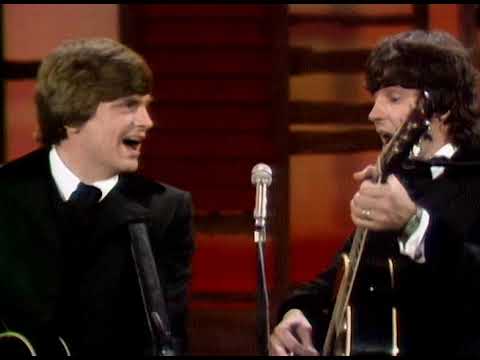
After that onstage breakup, the brothers pursued solo careers, always asked the inevitable question about a reunion. They did so in spectacular fashion at a pair of live shows in the UK that spawned an album and concert special on the then-fledgling HBO.
Sporadic records and shows would follow, though the brothers would travel and lodge separately. Their reputation gained some momentum are more recognized their status as grandfathers of what became known as Country Rock (their 1968 album Roots is cited as particularly influential).
Simon and Garfunkel would cite the brothers as a primary influence on their vocal harmony style, as would British Invasion acts like the Beatles and the Hollies. In 2003, Green Day’s Billie Joe Armstrong and Norah Jones would release Foreverly, a reinterpretation of the Brothers’ 1958 album Songs Our Daddy Taught Us.

The Everlys were even special guests on Simon and Garfunkel’s 2003-04 “OId Friends” reunion tour. The four would harmonize together on “Bye Bye Love” and the Brothers had their own mini-set. While their physical selves showed age and fragility, once they opened those mouths the decades melted away, especially with their aching “Let It Be Me.”
If there’s an issue with Ribowsky’s work, is that the great detail he goes into about the Brothers’ discography and songs are more aimed to the Everlys expert. The brothers themselves (especially Phil) come off as more inscrutable figures, and the reader may wish for more depth and detail about them as people or an expansion on issues that drove them apart often. The Everlys’ “Battling Brothers” template would be followed in later decades by the siblings Davies, Fogerty, Robinson and Gallagher.

A lifelong smoker, Phil died in 2014 at the age of 74 of lung disease and COPD. Don died in 2021 in his sleep at the age of 84. Survivors would file suits and countersuits against each other about copyrights and royalties, and sometimes pitted Don’s children against his much younger last wife/manager.
As Ribowsky writes, Don told an interviewer in 2016 that he kept some of Phil’s ashes in his home. Each morning, he’d pick up the container and wish his younger brother a hearty “good morning.”
The ritual, he intimated, gave him a sense of comfort and closure. For Crying in the Rain readers will experience a sense of renewal—and head back to the records, both the familiar hits and otherwise.
This article appears in Jan 1 – Dec 31, 2024.
